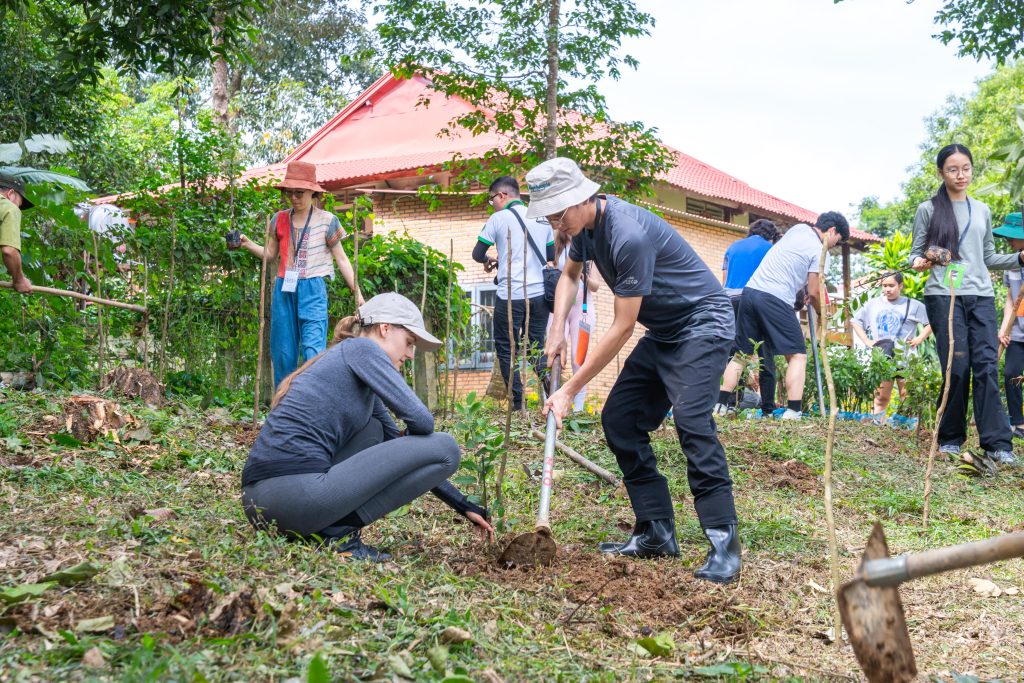
Embodying Earth, Vietnam
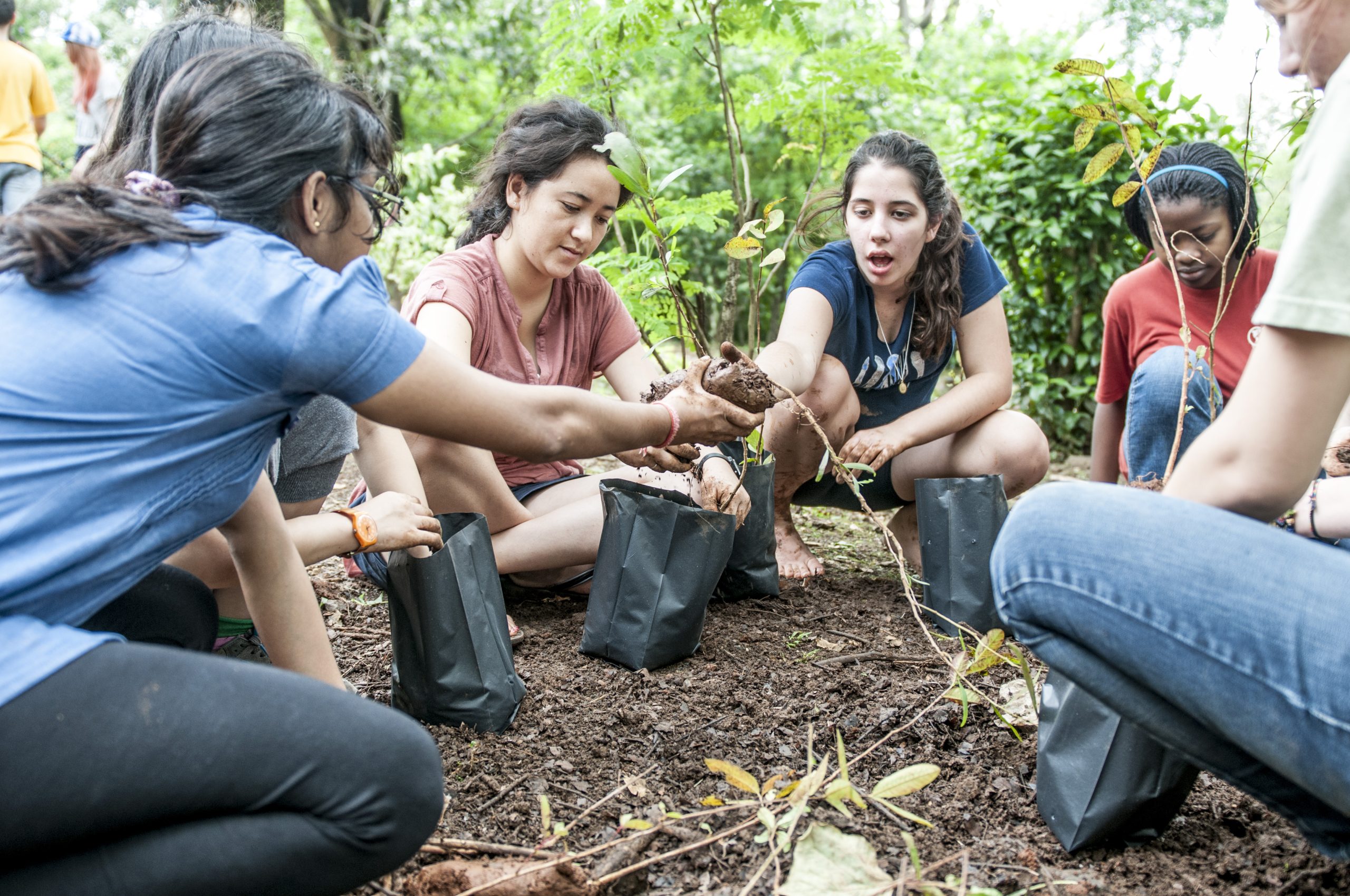
In Vietnam, the Embodying Earth UWC Short Course brings young people together to explore climate responsibility through lived experience, reflection and connection with the natural world.
Read the full story

In Vietnam, the Embodying Earth UWC Short Course brings young people together to explore climate responsibility through lived experience, reflection and connection with the natural world.
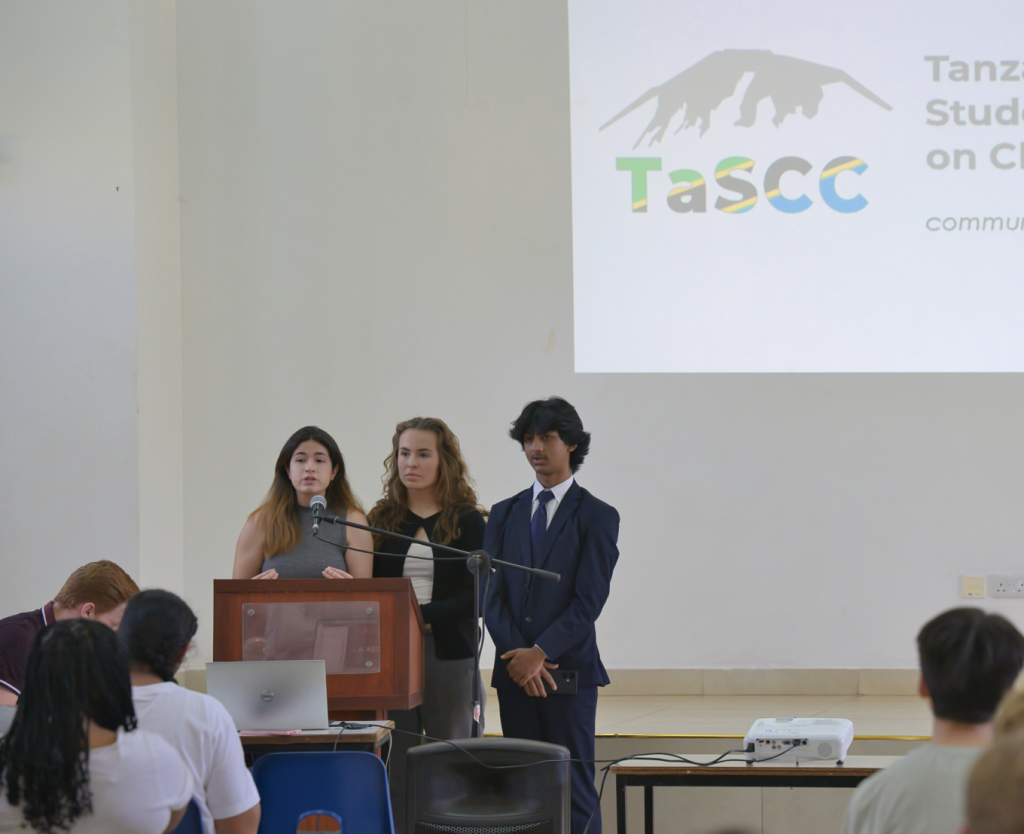
Read the full storyStudents helped host a virtual climate summit bringing together learners from across Tanzania and the wider UWC movement. Student-led sessions and expert speakers explored climate challenges and solutions, while the online format widened access and reduced travel emissions. The summit strengthened networks and momentum for student-led climate action beyond campus.
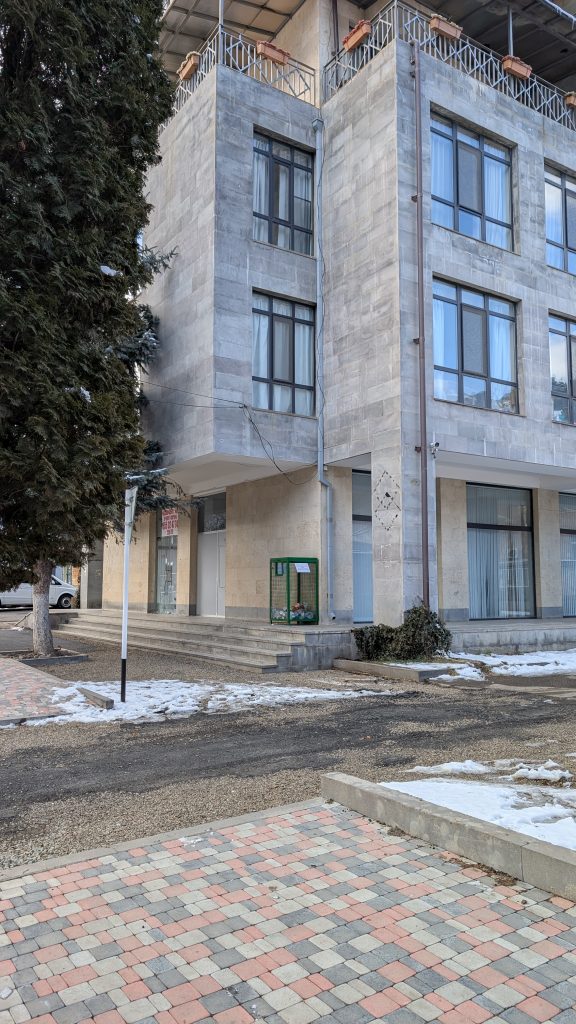
Students redesigned local recycling infrastructure and led community awareness work, installing five recycling points across Dilijan. Over eight months, around four tonnes of plastic bottles were collected. As the system proved effective, it was handed over to the municipality, allowing the project to continue beyond the initial student initiative.
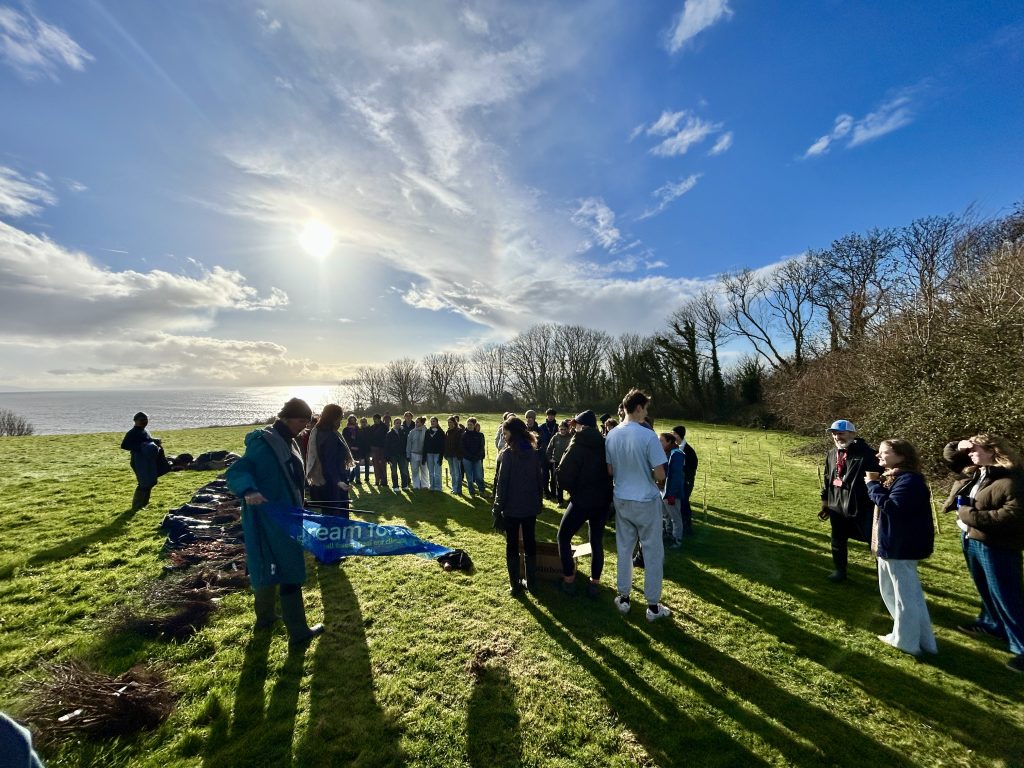
Students planned and led a large-scale tree and hedgerow planting project to boost biodiversity and reconnect habitats on and around campus. Working with local partners and community members, they planted around 2,000 trees and a diverse hedgerow, showing how student leadership can drive practical land restoration.
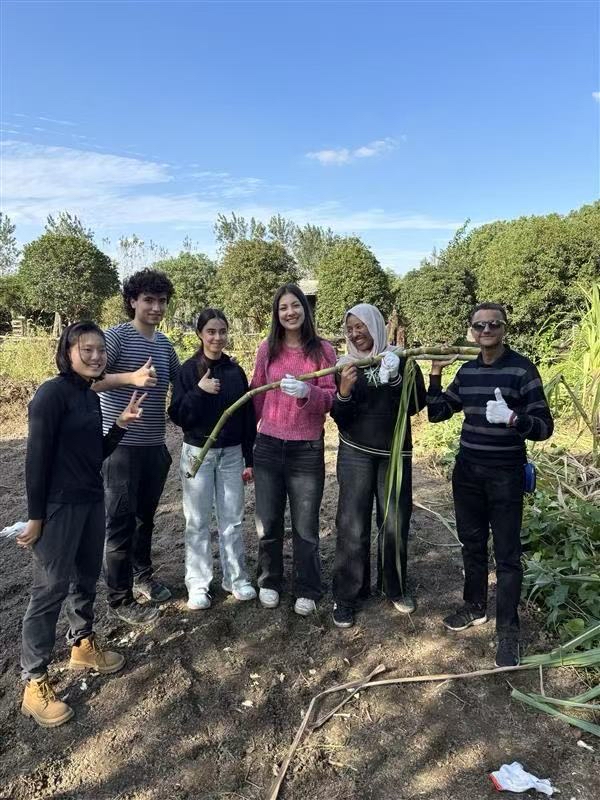
Students used the “2000 m² global field” idea to make food systems and land use easier to understand. Through fieldwork, games and campus-wide discussions, they linked everyday food choices to finite land resources, helping shift thinking about consumption, waste and responsibility in a way other schools can adapt.
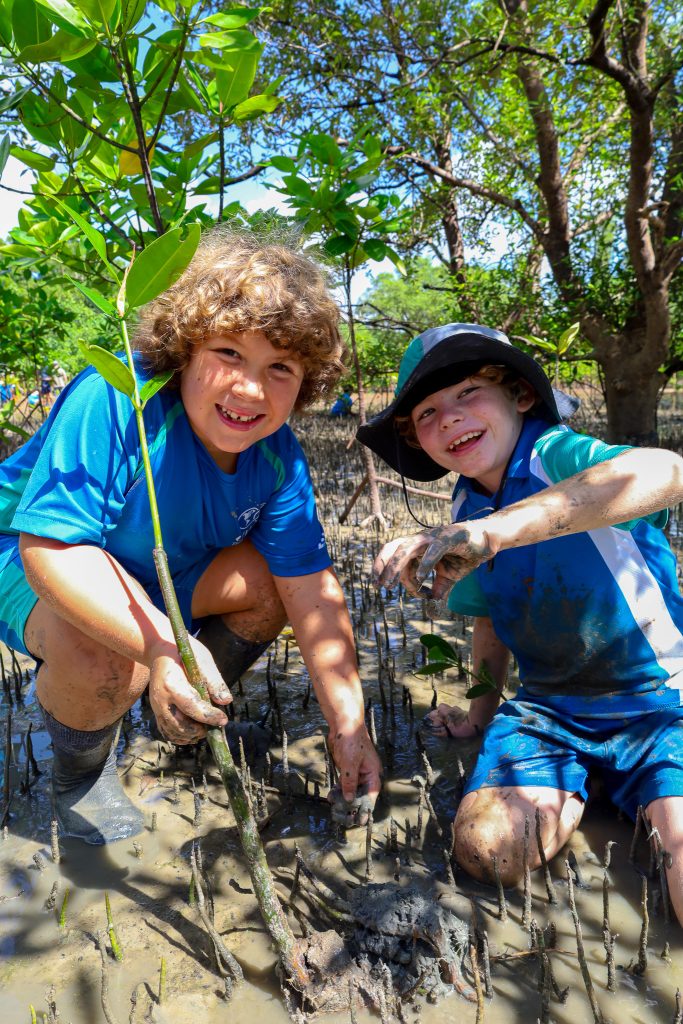
Students, teachers and families planted mangroves along the coast near Phuket as part of a hands-on learning activity focused on biodiversity and climate resilience. Grade 2 students from the school’s younger years programme worked alongside older student mentors, exploring how mangrove ecosystems protect coastlines, store carbon and support wildlife while restoring local habitat.
Place-based learning rooted in local ecology and community knowledge