Home

Peace: learning and living together

How a UWC education helps young people navigate differences, build understanding and contribute to more peaceful societies.

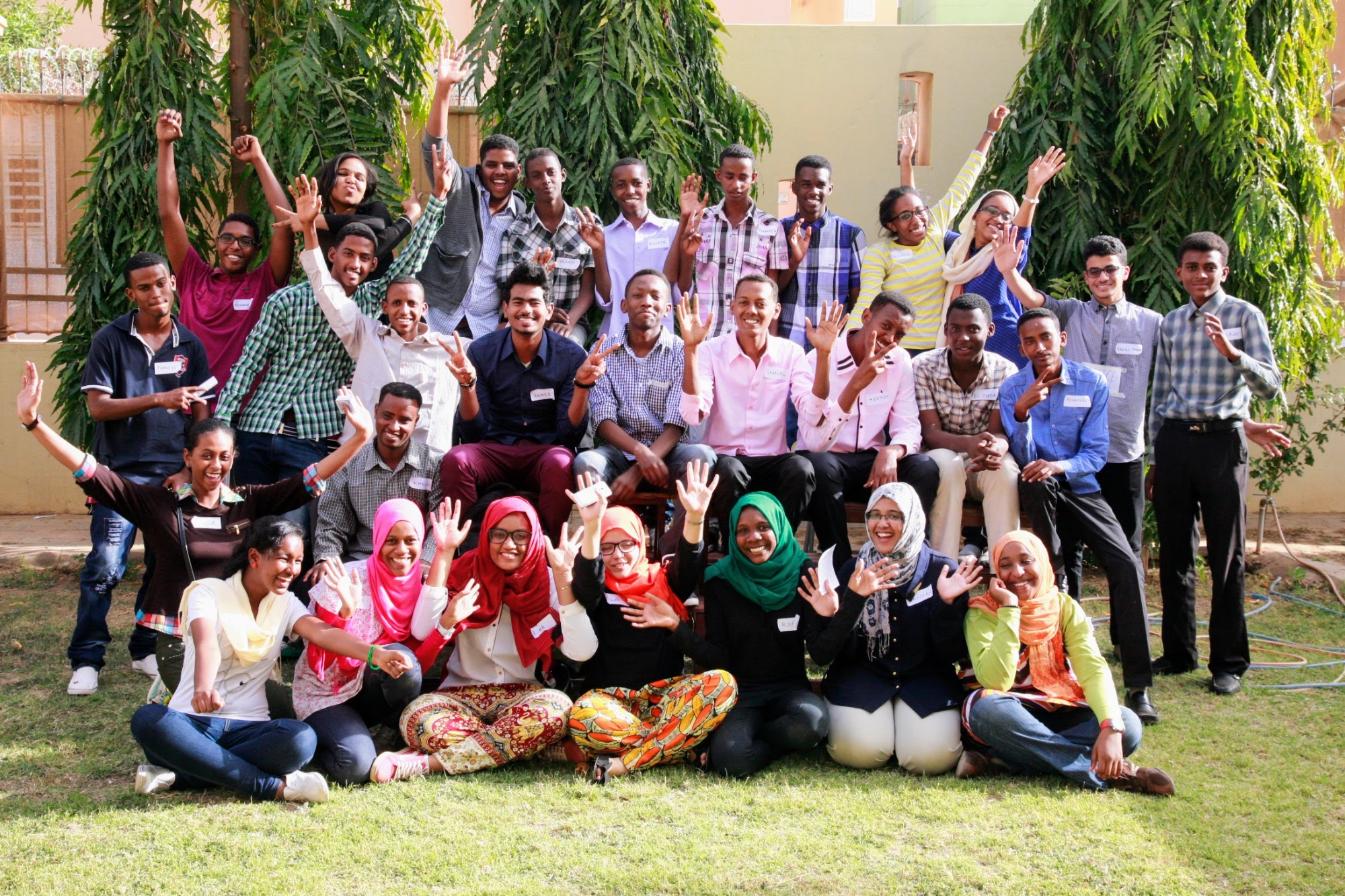
Sudan: continuing education through conflict

Sudan: continuing education through conflict

As part of UWC International’s webinar programme on education, peace and sustainability, students and alumni from Sudan reflected on continuing a UWC education after leaving their home country.

Read the full story
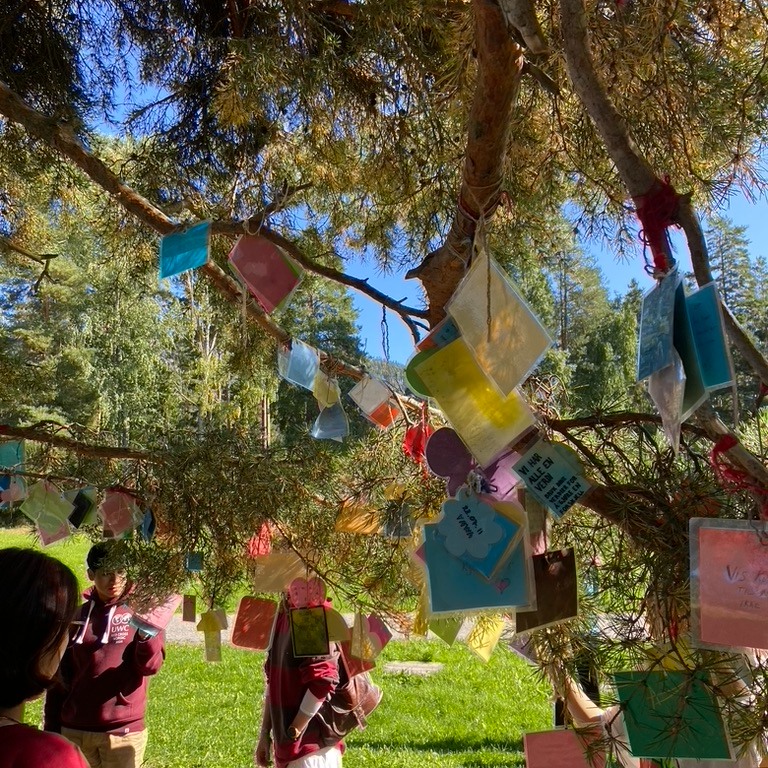
Learning through dialogue and action

These examples are a snapshot of peace-related learning and student action across UWC schools and colleges in 2025.

UWC Red Cross Nordic – Utøya: learning democracy and dialogue

Second year students take part in workshops on democracy and dialogue at Utøya, a site in Norway linked to political violence. Through guided discussion and shared activities, students reflect on how societies deal with conflict, responsibility and difference. The programme helps students practise respectful dialogue and take part more confidently in democratic life.

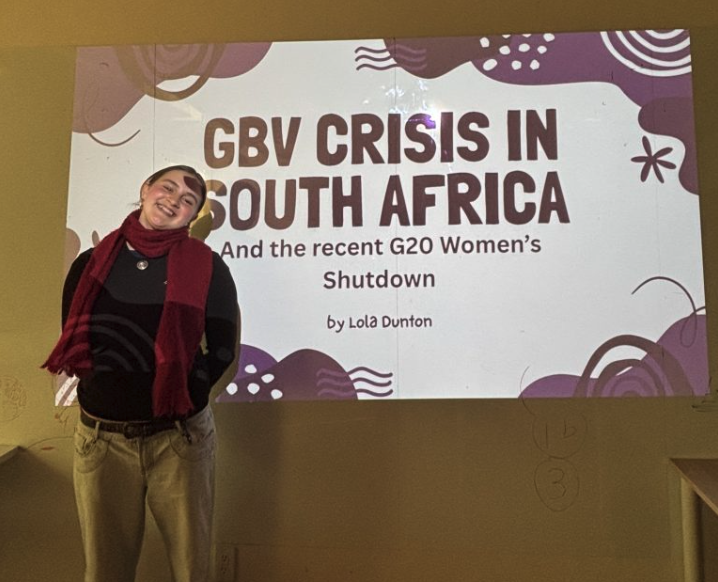
UWC ISAK Japan – Gender-based violence crisis in South Africa

A South African student at UWC ISAK Japan led a campaign responding to South Africa’s gender-based violence crisis. The initiative brought in expert speakers, raised funds for survivor support and mobilised on-campus solidarity actions. It shows how personal experience can translate into collective action and awareness.

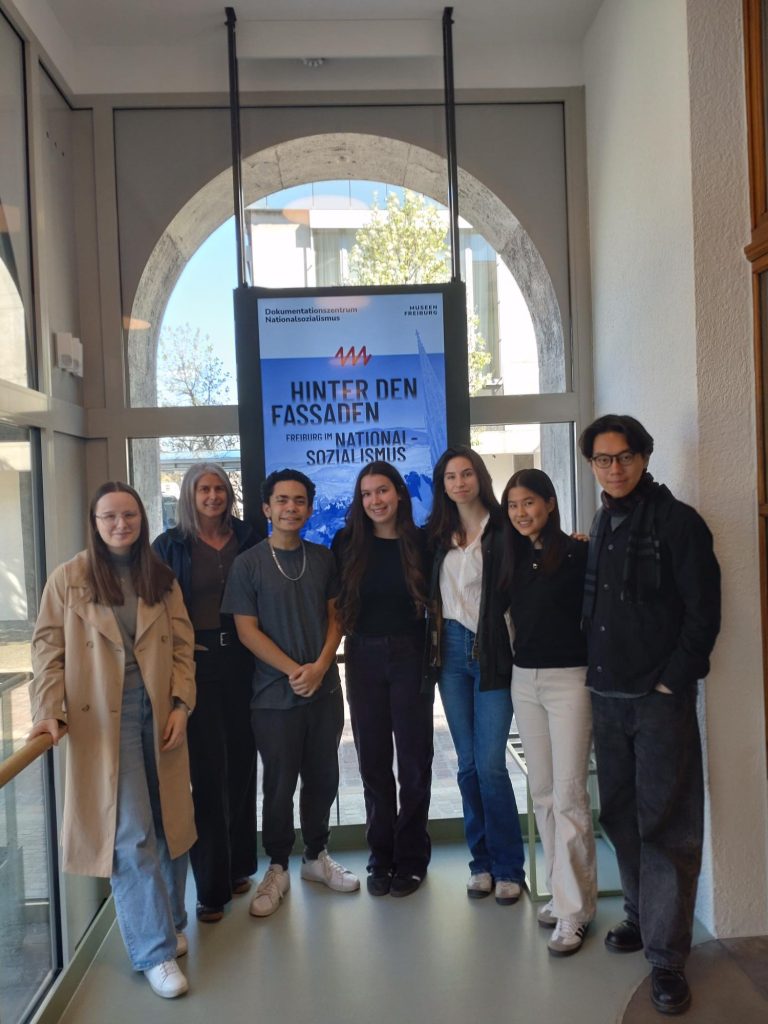
UWC Robert Bosch College – Remembrance work with Freiburg's Nazi Documentation Center

Students research the biographies of Holocaust victims and contribute findings to a public exhibition, while maintaining Stolpersteine across the city and leading tours and campus remembrance events. It connects historical truth-telling with civic responsibility and public learning.

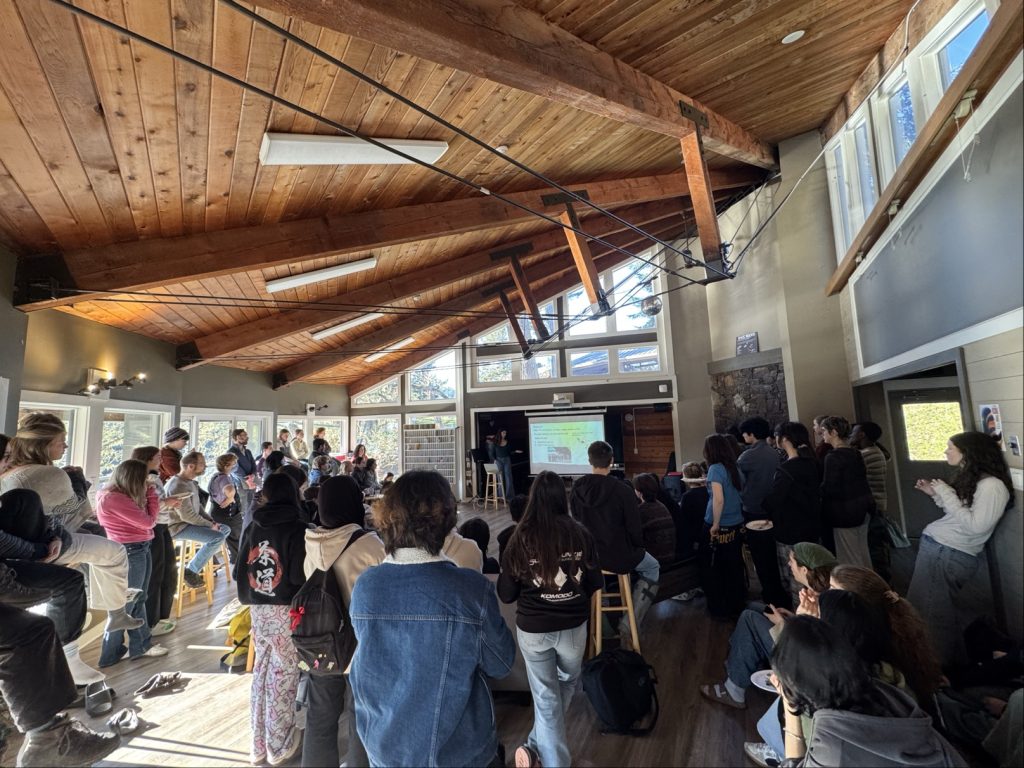
Pearson College UWC – Global Lunch

Students run informal lunchtime sessions on current events affecting their home countries, with careful planning and consultation to handle sensitive topics well. It creates space for learning from peers’ lived perspectives and builds skills for thoughtful discussion across differences.

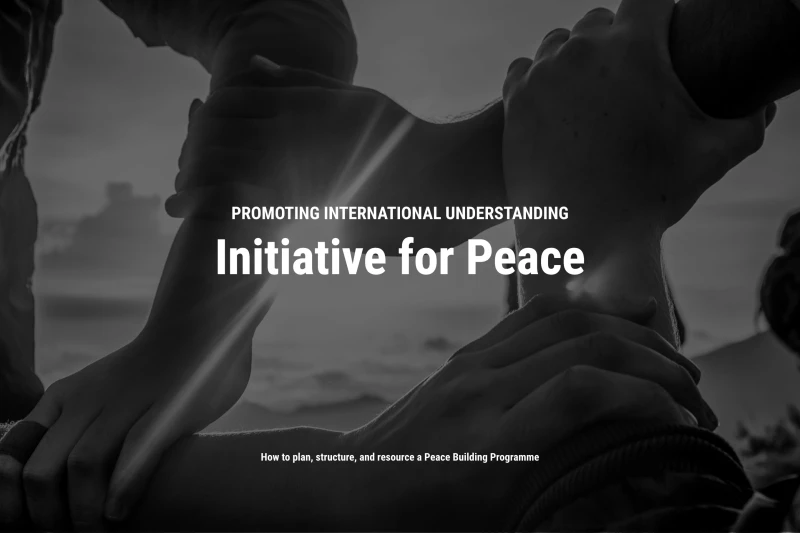
UWCSEA – Initiative for Peace (IfP)

Grade 11 students train in conflict resolution and facilitation, then design and lead youth peace conferences with local partners in conflict-affected contexts. The programme builds practical skills and long-term relationships, with alumni taking the model into new settings.

Education in conflict-affected contexts

Across the world, fewer young people with refugee backgrounds remain in secondary education and only 9% go on to higher education. As humanitarian and development funding declines, the chances of continuing in education fall further with age.

UWC works at this crucial stage of upper secondary education, identifying determined young people in some of the most challenging contexts and supporting them to continue their studies alongside peers from around the world.

104 students from refugee and forced-displacement backgrounds
23 nationalities from 22 host countries
71% female
29% male
In focus: learning to navigate difference In focus: learning to navigate difference

In focus: learning to navigate difference

LOOKING AHEAD:
Strengthening peace
education

Find out more arrowright